


Hey there! As a supplier of steel combination nipples, I often get asked a bunch of questions from our customers. One of the most common ones is whether steel combination nipples are resistant to microbial growth. Well, let's dive right into this topic and find out!
First off, let's understand what steel combination nipples are. They're these handy little components used in all sorts of plumbing and industrial applications. You can find them in water systems, oil pipelines, and even in some manufacturing processes. They're super versatile, and we offer a great range, like the King Combination Nipples and King Combination Nipple Npt Threaded. And if you're looking for something to mend hoses, our Hose Mender is a top - notch option.
Now, back to the main question: Are they resistant to microbial growth? To answer that, we need to look at the properties of steel. Steel is an alloy mainly made up of iron and carbon, with some other elements thrown in for good measure. It's known for being strong, durable, and corrosion - resistant, which are all great qualities.
Microbial growth depends on a few key factors. These include the presence of nutrients, moisture, and a suitable temperature. In a plumbing or industrial setting, there's often moisture around, and sometimes there can be trace amounts of nutrients in the fluid flowing through the system. So, the environment can be conducive to microbial growth.

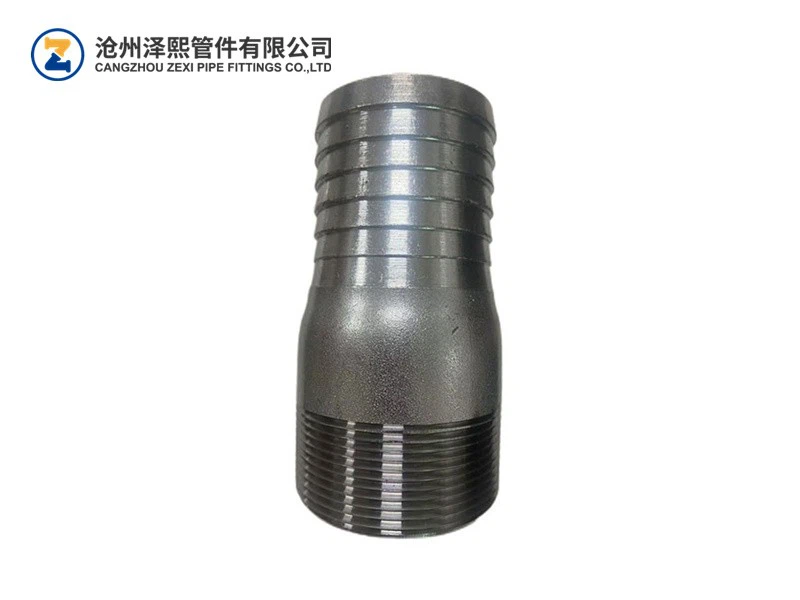
However, steel has some features that work against microbial growth. First of all, its smooth surface. A smooth surface makes it harder for microbes to attach and form biofilms. Biofilms are like little communities of microbes that stick together and can cause all sorts of problems, like clogging pipes and reducing the efficiency of the system. With a smooth steel surface, it's more difficult for these biofilms to get a foothold.
Another factor is the corrosion resistance of steel. When steel corrodes, it can create rough patches and crevices where microbes can hide and grow. But modern steel combination nipples are often made from high - quality stainless steel, which has excellent corrosion resistance. This means that the surface of the nipple remains relatively smooth and free from the nooks and crannies that microbes love.
But it's not all sunshine and rainbows. There are some situations where microbial growth on steel combination nipples can still occur. For example, if the system is not properly maintained. If there's stagnant water in the pipes for a long time, it can provide a perfect breeding ground for microbes. Even though the steel is resistant, the long - term presence of stagnant water with nutrients can eventually lead to some microbial growth.
Also, if the steel is exposed to certain chemicals or contaminants that can break down its protective layer, it might become more vulnerable. For instance, in some industrial settings where there are harsh chemicals in the fluid, the steel's corrosion - resistant properties could be compromised over time.
To prevent microbial growth on steel combination nipples, there are a few things you can do. Regular maintenance is key. Flushing the system periodically can help remove any stagnant water and reduce the chances of microbial build - up. You can also use chemical treatments in the water to control microbial growth. These treatments are designed to kill or inhibit the growth of microbes without harming the steel.
In addition, choosing the right type of steel is important. As I mentioned earlier, stainless steel is a great choice because of its corrosion resistance. Different grades of stainless steel have different levels of resistance, so it's worth doing some research or consulting with us to find the best option for your specific application.
Now, let's talk about how this all affects you as a customer. If you're using steel combination nipples in a water - based system, like a domestic plumbing system, microbial growth can be a concern. It can lead to bad - tasting water, unpleasant odors, and even health risks in some cases. By using our high - quality steel combination nipples and following the proper maintenance procedures, you can minimize these risks.
In an industrial setting, microbial growth can cause more serious problems. It can lead to equipment failure, reduced efficiency, and increased maintenance costs. So, making sure your steel combination nipples are resistant to microbial growth is crucial for the smooth operation of your business.
We're really proud of the steel combination nipples we supply. We've put a lot of effort into ensuring that they're of the highest quality and have the best possible resistance to microbial growth. Our team is always available to answer any questions you might have and to help you choose the right product for your needs.
If you're in the market for steel combination nipples and want to learn more about how they can resist microbial growth, or if you have any other questions about our products, don't hesitate to reach out. We're here to help you make the best decision for your plumbing or industrial project. Whether it's the King Combination Nipples, King Combination Nipple Npt Threaded, or the Hose Mender, we've got you covered.
Let's work together to keep your systems running smoothly and free from the problems caused by microbial growth. Contact us today to start the conversation about your steel combination nipple needs!
References:
- "Corrosion and Microbial Interactions in Industrial Water Systems" - A technical report on the relationship between corrosion and microbial growth in industrial settings.
- "The Properties of Steel and Its Applications in Plumbing" - A study on the use of steel in plumbing systems and its resistance to various factors.
- "Microbial Biofilms in Water Systems: Formation, Impact, and Control" - An in - depth look at biofilms and how to prevent their growth in water - based systems.


