


Hey there! As a supplier of Seamless Nipples, I often get asked how these little guys adhere to the skin. Well, let's dive right into it and break down the science behind it.
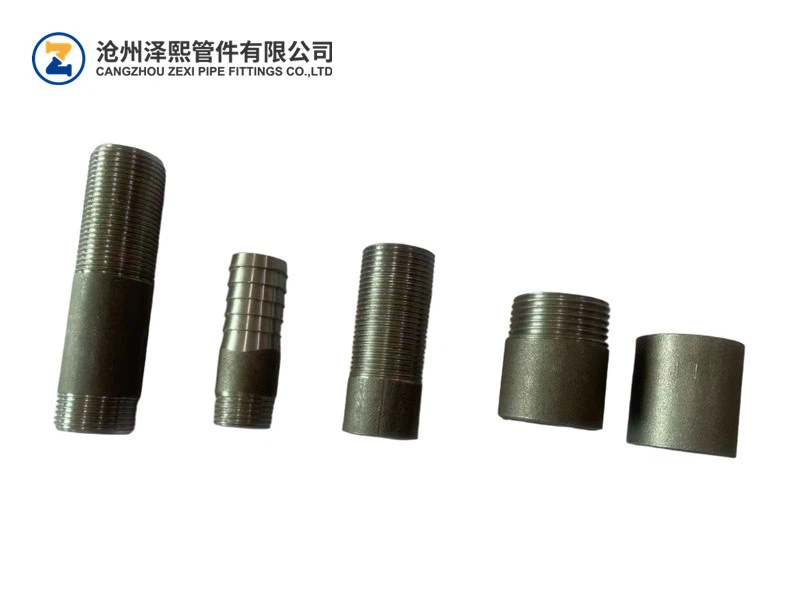
First off, what are seamless nipples? Seamless nipples, as the name suggests, are pipe nipples that are made without any seams. They're used in a variety of industries, from plumbing to oil and gas. Unlike Welded Pipe Nipple, which are joined together by welding, seamless nipples are created from a solid piece of metal, usually through a process called extrusion. This gives them a smooth, continuous surface that's not only more aesthetically pleasing but also stronger and more durable.
Now, when we talk about how seamless nipples adhere to the skin, we're not actually talking about literal skin in most cases. In industrial applications, the "skin" is usually the material they're being connected to, like pipes or other fittings. The adhesion process depends on a few key factors.
Material Compatibility
The first thing to consider is the material of the seamless nipple and the material it's being attached to. For example, Carbon Steel Seamless Pipe Nipples are commonly used because carbon steel is strong, corrosion-resistant, and relatively inexpensive. When connecting a carbon steel seamless nipple to a carbon steel pipe, the material compatibility is high. This means that the two materials have similar properties, such as thermal expansion and contraction rates. When the temperature changes, both the nipple and the pipe will expand or contract at a similar rate, reducing the stress on the connection and helping to maintain a strong bond.
If you try to connect a seamless nipple made of one material to a pipe made of a completely different material, you might run into problems. For instance, if you connect a stainless steel nipple to a copper pipe, the different thermal expansion rates could cause the connection to loosen over time. So, it's crucial to choose the right material for your application to ensure good adhesion.
Surface Preparation
Another important factor is surface preparation. Before attaching a seamless nipple, the surfaces of both the nipple and the pipe need to be clean and free of any dirt, grease, or rust. Even a small amount of contamination can reduce the adhesion strength. You can use a wire brush or a chemical cleaner to remove any debris from the surfaces.
In some cases, you might also need to roughen the surfaces slightly to increase the surface area for adhesion. This can be done using sandpaper or a similar abrasive material. By creating a rough surface, the adhesive or the connection method has more area to grip onto, which can improve the overall adhesion.

Connection Methods
There are several ways to connect a seamless nipple to a pipe or other fitting. The most common methods include threading, welding, and using adhesives.
Threading
Threading is a popular method because it's relatively easy and doesn't require any special equipment. The end of the seamless nipple is threaded, and it can be screwed into a threaded hole in the pipe or fitting. To ensure a tight seal, you can use a thread sealant, such as Teflon tape or pipe dope. The thread sealant fills in the gaps between the threads, preventing leaks and improving the adhesion.
Welding
Welding is a more permanent and stronger connection method. It involves melting the metal of the seamless nipple and the pipe together to form a single, continuous piece. Welding requires special equipment and skills, but it can provide a very strong and reliable connection. However, it's important to note that welding can also introduce stress and distortion into the materials, so it needs to be done carefully.
Adhesives
Adhesives can also be used to connect seamless nipples. There are different types of adhesives available, depending on the application and the materials involved. For example, epoxy adhesives are strong and can bond a variety of materials together. When using an adhesive, it's important to follow the manufacturer's instructions carefully to ensure proper adhesion.
Environmental Factors
The environment in which the seamless nipple is used can also affect its adhesion. For example, if the connection is exposed to high temperatures, chemicals, or moisture, it can weaken the adhesion over time. In such cases, you might need to choose a more corrosion-resistant material or use a protective coating to prevent damage to the connection.
In a high-temperature environment, the thermal expansion and contraction of the materials can put stress on the connection. This can cause the connection to loosen or even break. To prevent this, you can use materials with a low coefficient of thermal expansion or design the connection to accommodate the thermal changes.
In a chemical environment, the chemicals can react with the materials of the seamless nipple and the pipe, causing corrosion or degradation. You need to choose materials that are resistant to the specific chemicals present in the environment. For example, stainless steel is often used in chemical applications because it's resistant to many chemicals.
Quality Control
As a supplier of Seamless Pipe Nipple, I understand the importance of quality control. We make sure that our seamless nipples are manufactured to the highest standards. This includes using high-quality materials, following strict manufacturing processes, and conducting thorough inspections.
Before shipping our products, we test the seamless nipples for various properties, such as strength, hardness, and dimensional accuracy. We also check the surface finish to ensure that it's smooth and free of any defects. By maintaining high quality, we can ensure that our seamless nipples will adhere properly to the skin (or the pipe) and provide reliable performance.
Conclusion
So, there you have it! The adhesion of seamless nipples to the skin (or the pipe) depends on a combination of factors, including material compatibility, surface preparation, connection methods, environmental factors, and quality control. By understanding these factors and taking the necessary precautions, you can ensure a strong and reliable connection.
If you're in the market for seamless nipples, I'd love to talk to you. Whether you're working on a small plumbing project or a large industrial application, we have the right seamless nipples for you. Just reach out, and we can discuss your specific needs and find the best solution for you.
References
- ASME B36.10M - Welded and Seamless Wrought Steel Pipe
- ASTM A106 - Standard Specification for Seamless Carbon Steel Pipe for High-Temperature Service
- ISO 9001 - Quality Management Systems Requirements


