


Hey there! I'm a supplier of threaded pipe fittings, and I've seen my fair share of issues with these little guys over time. One of the most common problems is the loosening of threaded pipe fittings. It might seem like a small thing, but it can lead to some big headaches, like leaks and system failures. So, in this blog, I'm gonna share some tips on how to prevent that from happening.
Understanding Why Threaded Pipe Fittings Loosen
Before we dive into the solutions, let's first understand why these fittings loosen up in the first place. There are a few main reasons for this.
Vibration
Vibration is a major culprit. In industrial settings, pipes are often exposed to constant vibrations from machinery, pumps, or even the flow of fluids through the pipes themselves. These vibrations can gradually cause the threads to work their way loose. For example, in a factory where large pumps are running 24/7, the vibrations can transfer to the pipes and fittings, making them more likely to come undone.
Thermal Expansion and Contraction
Temperature changes also play a role. When pipes are exposed to different temperatures, they expand and contract. This can put stress on the threaded connections. If the temperature fluctuates frequently, the repeated expansion and contraction can cause the fittings to loosen over time. Think about a pipe that runs outside in the summer heat and then experiences cold winter nights. The constant change in temperature can really take a toll on the fittings.
Improper Installation
Let's not forget about human error. If the fittings aren't installed correctly in the first place, they're more likely to loosen. This could mean not tightening them enough or using the wrong tools. For instance, if you don't use a torque wrench to ensure the proper amount of tightness, the fitting might not be secure enough.
Tips to Prevent Loosening of Threaded Pipe Fittings
Use Thread Sealants
One of the simplest and most effective ways to prevent loosening is by using thread sealants. These are substances that are applied to the threads before installation. They help to fill in the gaps between the threads, creating a tight seal and adding friction. This friction makes it harder for the threads to move and come loose. There are different types of thread sealants available, such as PTFE tape (also known as Teflon tape) and pipe dope. PTFE tape is easy to use. You just wrap it around the male threads a few times before screwing the fitting on. Pipe dope, on the other hand, is a thicker paste that you apply to the threads. Both can be very effective in preventing loosening.
Apply Locking Compounds
Locking compounds are another great option. These are adhesives that are specifically designed to hold threaded connections in place. They work by curing and creating a strong bond between the threads. There are different grades of locking compounds available, depending on how permanent you want the connection to be. Some are designed for applications where you might need to disassemble the fitting later, while others are more permanent. When using a locking compound, make sure to follow the manufacturer's instructions carefully. Usually, you apply it to the threads and then assemble the fitting. The compound will cure over time, providing a secure connection.
Install Lock Washers
Lock washers are mechanical devices that can help prevent loosening. They work by creating tension between the nut or bolt and the fitting. There are different types of lock washers, such as split washers and toothed washers. Split washers have a split in them that creates a spring-like effect when tightened. This springiness helps to keep the nut or bolt from backing off. Toothed washers, on the other hand, have teeth that bite into the surface of the fitting, providing additional grip. When installing a lock washer, make sure it's the right size and that it's installed correctly.
Consider Using Self-Locking Nuts
Self-locking nuts are designed to resist loosening on their own. They have a built-in mechanism that creates friction or a locking action when tightened. For example, some self-locking nuts have a nylon insert that expands when the nut is tightened, creating a tight fit. Others have a deformed thread that provides additional resistance. Using self-locking nuts can be a great way to ensure that your threaded connections stay secure.
Ensure Proper Installation
As I mentioned earlier, proper installation is crucial. Here are some key points to keep in mind:
- Use the Right Tools: Make sure you have the correct tools for the job. A torque wrench is essential for ensuring that you tighten the fittings to the proper specifications. Using the wrong tools can lead to over-tightening or under-tightening, both of which can cause problems.
- Follow the Manufacturer's Instructions: Every fitting is different, so it's important to follow the manufacturer's instructions for installation. This might include specific tightening torques, the type of thread sealant to use, or other important details.
- Inspect the Threads: Before installing a fitting, inspect the threads for any damage or debris. If the threads are damaged, the fitting might not make a proper connection. Clean the threads if necessary to ensure a good fit.
Choosing the Right Threaded Pipe Fittings
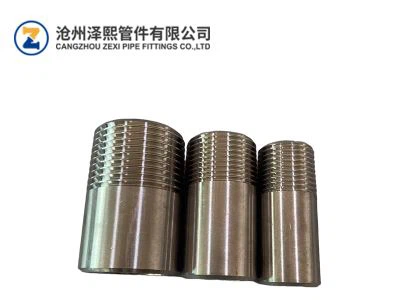
When it comes to preventing loosening, choosing the right fittings is also important. At our company, we offer a wide range of high-quality threaded pipe fittings, such as Male Thread Joint, Stainless Steel Threaded Pipe Nipple, and Steel Pipe Joint.
Material
The material of the fitting can affect its performance and durability. For example, stainless steel fittings are corrosion-resistant, which is great for applications where the pipes are exposed to moisture or chemicals. Steel fittings are strong and can handle high pressures. Consider the environment where the fitting will be used when choosing the material.
Thread Type
There are different types of threads, such as NPT (National Pipe Tapered) and BSP (British Standard Pipe). Make sure you choose the right thread type for your application. Using the wrong thread type can lead to a poor connection and increased risk of loosening.

Regular Inspection and Maintenance
Even if you take all the precautions to prevent loosening, it's still important to regularly inspect and maintain your threaded pipe fittings. Here's what you can do:
- Visual Inspection: Periodically check the fittings for any signs of loosening, such as leaks or visible movement. If you notice any issues, take action immediately.
- Tightening Check: Use a torque wrench to check the tightness of the fittings. If they've loosened over time, tighten them to the proper specifications.
- Replace Worn or Damaged Fittings: If a fitting is worn or damaged, it's best to replace it. Using a damaged fitting can lead to further problems down the line.
Conclusion
Preventing the loosening of threaded pipe fittings is essential for the proper functioning of your piping systems. By understanding the reasons why fittings loosen and taking the appropriate preventive measures, you can avoid costly repairs and downtime. Whether it's using thread sealants, locking compounds, or choosing the right fittings, there are many ways to keep your connections secure.
If you're in the market for high-quality threaded pipe fittings, I'd love to talk to you. We have a wide selection of products to meet your needs. Don't hesitate to reach out and start a conversation about your requirements. I'm here to help you find the best solutions for your piping systems.
References
- "Pipe Fitting Handbook" by the Pipe Fitting Association
- "Threaded Fasteners and Their Design and Application" by an industry expert


