


As a supplier of threaded pipe couplers, I've had the privilege of working closely with a wide range of clients in various industries. Threaded pipe couplers are a common and versatile solution for connecting pipes, finding applications in plumbing, construction, and industrial settings. However, it's important to provide a balanced view of this product. In this blog post, I'll delve into the disadvantages of using threaded pipe couplers, which will help you make informed decisions when choosing the right pipe connection method.
1. Limited Pressure Resistance
One of the primary limitations of threaded pipe couplers is their relatively lower pressure resistance compared to some other types of pipe connections. The threads on the coupler and the pipe rely on a tight fit and the strength of the threaded engagement to hold the joint together under pressure. However, this connection method is not as robust as welded or flanged joints when it comes to withstanding high - pressure environments.
In high - pressure systems, threaded joints are more prone to leakage. The force exerted by the pressurized fluid or gas can gradually loosen the threads over time, especially if there are vibrations or thermal expansions in the system. Even a small gap created by the loosening of the threads can lead to significant leaks, which can be not only wasteful but also pose safety risks, especially when dealing with hazardous substances. For instance, in an industrial pipeline carrying chemical substances, a leakage from a threaded pipe coupler can contaminate the surrounding environment and endanger workers' health. Find more information about Threaded Pipe Fitting to understand the basics and potential limitations in high - pressure contexts.
2. Installation Challenges
Installing threaded pipe couplers is a more labor - intensive process compared to some other pipe connection methods. It requires precise cutting and threading of the pipe ends, which demands specialized tools and skills. Improper threading can lead to a host of problems such as leaks, weak joints, and difficulties in disassembly.
Cutting the pipe to the correct length and then creating accurate threads is a time - consuming task. The quality of the threading can also vary depending on the operator's skill level. For example, if the threads are cut too shallow, the joint may not provide a secure fit, while overly deep threads can weaken the pipe structure. Additionally, ensuring the proper alignment of the threaded parts during installation is crucial. If the parts are misaligned, it can cause stress concentrations in the threads, increasing the risk of failure. More details on the installation process can be found in the article about Threaded Joint in Pipe.
3. Corrosion Vulnerability
Threaded pipe couplers are more susceptible to corrosion compared to seamless pipe connections. The threads create small crevices and gaps where moisture, oxygen, and corrosive substances can accumulate. These areas are difficult to clean and protect, making them prime spots for corrosion to start.
Once corrosion begins in the threaded area, it can quickly spread and degrade the integrity of the joint. Corrosion can cause the threads to weaken, which may lead to leaks or even breakage of the joint. In outdoor or humid environments, the problem is exacerbated as the exposure to moisture and environmental pollutants is more persistent. For example, in marine applications where pipes are constantly exposed to saltwater, threaded pipe couplers require regular maintenance and corrosion protection measures. Otherwise, the lifespan of the joint can be significantly reduced.
4. Limited Compatibility with Different Pipe Materials
Threaded pipe couplers may have limited compatibility with different types of pipe materials. Different materials have different expansion and contraction rates due to temperature changes, which can affect the integrity of the threaded joint. For example, when connecting a metal pipe to a plastic pipe using a threaded coupler, the difference in thermal properties can cause the threads to loosen or tighten unevenly over time.
Moreover, some materials may not be suitable for threading. For instance, certain brittle materials can crack or break during the threading process, making it impossible to use threaded pipe couplers. This lack of versatility can be a significant drawback, especially in applications where a variety of pipe materials are required. An in - depth look at the challenges of using different pipe materials can be found by referring to Screw Joint Pipe.
5. Difficulties in Disassembly and Reuse
Disassembling threaded pipe couplers can be a challenging task, especially when the joint has been in place for a long time. The threads can become seized or stuck due to corrosion, rust, or the application of pipe dope or thread sealants. In such cases, excessive force may be required to break the joint, which can damage the threads or the pipes themselves.
Even if the joint can be successfully disassembled, reusing the threaded parts may not always be feasible. The threads may be worn or damaged during the disassembly process, and any burrs or deformities can affect the performance of the joint when it is reassembled. This can lead to additional costs as new threaded parts may need to be purchased for future installations.

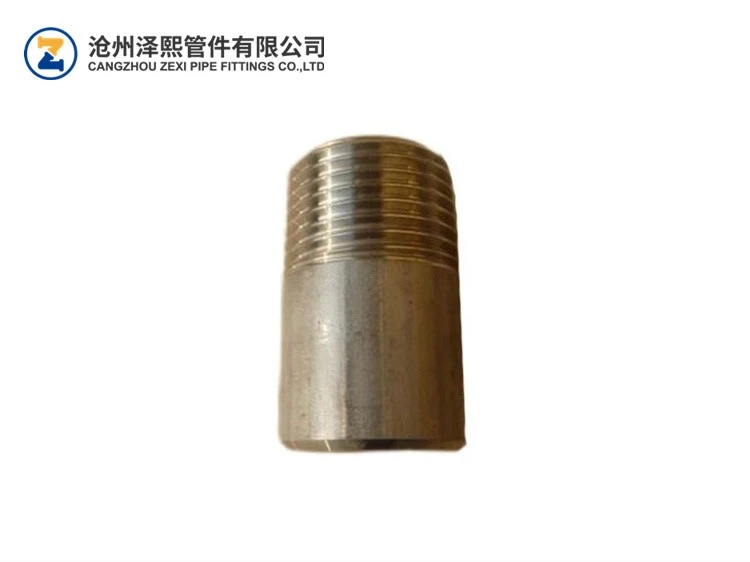
6. Aesthetic Limitations
In applications where aesthetics are important, threaded pipe couplers may not be the best choice. The visible threads and the joint itself can be less visually appealing compared to other seamless or hidden pipe connection methods. For example, in architectural plumbing or interior design projects, the exposed threaded joints can detract from the overall look of the installation.
This can be a significant concern, especially in modern designs where a clean and seamless appearance is often desired. While there are some ways to cover or disguise the threaded joints, these additional measures can add to the cost and complexity of the project.
Making an Informed Decision
Despite these disadvantages, threaded pipe couplers still have their place in many applications. They are relatively inexpensive, easy to source, and can be suitable for low - pressure and non - critical systems. However, if you are dealing with high - pressure applications, corrosive environments, or projects with specific aesthetic requirements, you may need to consider alternative pipe connection methods.
When making a decision about whether to use threaded pipe couplers, I encourage you to consult with our experts. We have extensive experience in providing pipe connection solutions and can help you evaluate the pros and cons based on your specific needs. If you are interested in discussing how our threaded pipe couplers can fit into your project or if you want to explore other options, feel free to reach out to us. We are committed to providing you with the best products and services to ensure the success of your project.
References
- Pipe Fitting Handbook, various editions
- Industrial Pipe Installation Standards and Practices Compilations
- Studies on Corrosion Resistance of Pipe Joints


