


Hey there! As a supplier of threaded pipe couplers, I often get asked about the difference between threaded pipe couplers and regular couplers. So, I thought I'd write this blog to clear things up and give you a better understanding of these two types of couplers.
Let's start with the basics. A coupler, in general, is a device used to connect two pipes together. It's a simple yet crucial component in plumbing, construction, and many other industries where pipes are used. Regular couplers and threaded pipe couplers serve the same fundamental purpose, but they have some key differences that set them apart.
How They're Connected
The most obvious difference between a threaded pipe coupler and a regular coupler lies in their connection method. A regular coupler usually relies on other ways to connect pipes, like welding, gluing, or using compression fittings.
Welding is a common method for regular couplers in heavy - duty applications. It creates a very strong and permanent bond between the pipes. The welder melts the edges of the pipes and the coupler, and as the metal cools, they fuse together. This is great for applications where there's high pressure or where leakage can't be tolerated, like in industrial pipelines.
Gluing is another option, often used for plastic pipes. You apply a special adhesive to the inside of the coupler and the outside of the pipe ends. Once you insert the pipes into the coupler, the glue hardens, holding the pipes in place. It's a quick and easy method, but it might not be as strong as welding.
Compression fittings are also used with regular couplers. They work by tightening a nut around a ferrule, which compresses against the pipe, creating a seal. This method is relatively easy to install and can be disassembled if needed, making it suitable for situations where you might need to make changes or repairs later.
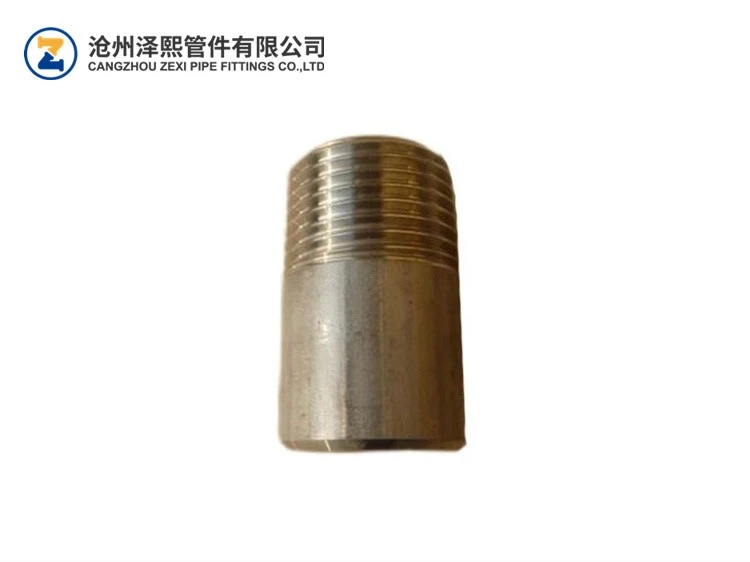
On the other hand, a threaded pipe coupler uses threads to connect the pipes. The inside of the coupler and the outside of the pipe ends have matching threads. You simply screw the pipes into the coupler until they're tight. This threaded connection is self - sealing to some extent and provides a reliable joint. It's a popular choice because it's easy to install and doesn't require any special tools like welding equipment. You can check out more about Threaded Pipe Fitting on our website.
Installation and Removal
When it comes to installation, threaded pipe couplers have a clear advantage. As I mentioned earlier, all you need is a wrench to tighten the pipes into the coupler. This makes it a DIY - friendly option. You don't need to be a professional welder or have special training to install a threaded pipe coupler. It's a matter of aligning the threads and turning the wrench until the connection is secure.
In contrast, regular couplers that require welding need a trained welder. Welding is a skill that takes time to learn, and you need to have the right equipment, including a welding machine, safety gear, and proper ventilation. Gluing also requires careful preparation. You have to clean the pipe surfaces thoroughly and apply the glue evenly. And with compression fittings, you need to make sure the nut is tightened to the correct torque; otherwise, you might end up with a leaky connection.
Removal is also easier with threaded pipe couplers. If you need to make changes to your piping system, you can simply unscrew the coupler using a wrench. This is especially useful in situations where you might need to replace a section of pipe or make adjustments. With welded regular couplers, removal is much more difficult. You have to cut the welded joint, which can damage the pipes and is a time - consuming process. Glued joints can also be hard to break apart without damaging the pipes.
Versatility
Threaded pipe couplers offer a high degree of versatility. They can be used with different types of pipes, including steel, copper, and PVC. As long as the pipes have the right threads, you can use a threaded pipe coupler to connect them. This makes them a great choice for a wide range of applications, from residential plumbing to industrial settings. You can learn more about Screw Joint Pipe and how threaded pipe couplers work with them.
Regular couplers, on the other hand, are often more specialized. Welded couplers are mainly used for metal pipes, and the welding process might not be suitable for all types of metals. Glued couplers are usually limited to plastic pipes. Compression fittings work well with certain types of pipes, but they might not be the best choice for high - pressure applications.

Strength and Durability
In terms of strength, welded regular couplers are usually the strongest. The fusion of the metal in the welding process creates a joint that can withstand high pressures and stresses. However, this strength comes at a cost. Welded joints can be prone to corrosion if not properly protected, and if there's a problem with the weld, it can be difficult to fix.
Threaded pipe couplers also offer good strength. The threaded connection distributes the stress evenly along the threads, providing a reliable joint. They're less likely to be affected by corrosion compared to welded joints, especially if they're made from corrosion - resistant materials like stainless steel. You can read more about Threaded Joint in Pipe and how it affects the strength and durability of the connection.
Glued and compression - fitted regular couplers might not be as strong as welded or threaded joints. Glued joints can weaken over time due to exposure to chemicals or changes in temperature. Compression fittings can loosen if they're not tightened properly or if there's vibration in the piping system.
Cost
Cost is always an important factor. Threaded pipe couplers are generally more cost - effective. They're easier to manufacture, and the installation doesn't require expensive equipment or specialized labor. You can buy a threaded pipe coupler and install it yourself without having to hire a professional.
Regular couplers that require welding can be more expensive. You have to pay for the welding equipment, the welder's labor, and the cost of safety measures. Glued couplers can also add up in cost, especially if you need to use high - quality adhesives. Compression fittings are relatively affordable, but they might require more maintenance over time.
When to Choose Each Type
So, when should you choose a threaded pipe coupler and when should you go for a regular coupler? If you're working on a DIY project, need a quick and easy installation, or want the ability to make changes later, a threaded pipe coupler is a great choice. It's also a good option if you're dealing with different types of pipes and need a versatile solution.
If you're working on a high - pressure industrial pipeline or need a very strong and permanent connection, a welded regular coupler might be the way to go. For plastic pipes in a low - pressure residential plumbing system, a glued regular coupler could be sufficient. And if you need a connection that can be easily disassembled and reassembled, a compression - fitted regular coupler is worth considering.
In conclusion, both threaded pipe couplers and regular couplers have their own advantages and disadvantages. As a supplier of threaded pipe couplers, I believe in the quality and versatility of our products. If you're in the market for a reliable and cost - effective way to connect your pipes, I'd highly recommend giving threaded pipe couplers a try.
If you're interested in purchasing threaded pipe couplers or have any questions about our products, feel free to reach out to us. We're here to help you find the right solution for your piping needs. Let's start a conversation about your project and see how we can assist you.
References
- "Piping Handbook" by Cameron F. Dickey
- "Plumbing Engineering: Design and Installation" by Richard A. Hewitt


